

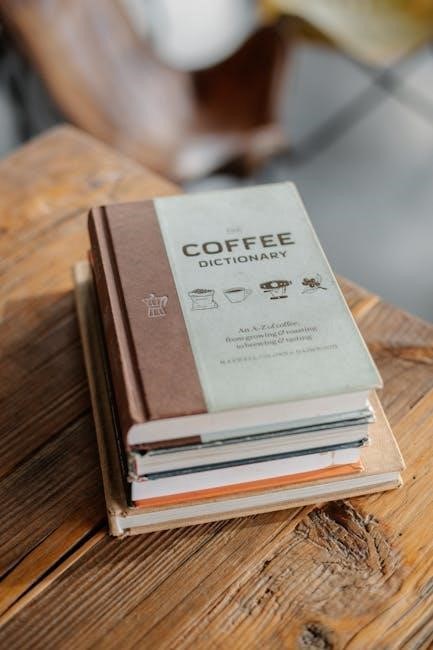
Demonic dictionaries, often available as PDFs, compile names and lore. The Dictionary of Demons, for example, offers extensive profiles and illustrations of numerous entities.
The Appeal of Demonic Compendiums
Demonic compendiums, like The Dictionary of Demons, exert a powerful allure for several reasons. They offer a structured exploration into a realm often shrouded in mystery and misinformation, providing detailed profiles and contextual analyses of significant demonic figures. The appeal lies in the promise of understanding – a desire to categorize, define, and potentially interact with these entities.
These texts, frequently found as PDF downloads, aren’t merely lists of names; they represent a historical and cultural fascination with the darker aspects of existence. The intensive research behind works like Belanger’s dictionary, drawing from grimoiric traditions, lends them an air of authority. For some, it’s a scholarly pursuit, while for others, it’s a gateway to occult practices like daemonolatry or demonic magick, seeking to understand the roles of demons in myth, religion, and culture.
Historical Context: Why Document Demons?
The impulse to document demons stretches back centuries, rooted in a complex interplay of religious belief, societal anxieties, and the perceived need for control. Medieval and Renaissance Europe, particularly, saw a surge in demonological texts, fueled by fears of heresy and witchcraft. These writings, often precursors to modern dictionary of demons PDFs, aimed to identify, classify, and understand perceived threats.
The belief that “names have power” was central; knowing a demon’s true name was thought to grant influence over it. Compilations like the Dictionnaire Infernal (1818) served as reference guides for exorcists, theologians, and those involved in the occult. Documenting demons wasn’t simply about cataloging evil, but about establishing boundaries and asserting dominion over the unseen world, a practice reflected in later grimoires and their digital PDF forms.

Key Texts & Their Significance
Key texts, like The Dictionary of Demons and Dictionnaire Infernal, provide foundational lore, often now accessible as convenient dictionary of demons PDF resources.
The Dictionnaire Infernal (1818)
Collin de Plancy’s Dictionnaire Infernal, published in 1818, stands as a landmark 19th-century reference work on demons and demonology. This comprehensive text meticulously lists, describes, and visually represents a vast array of demonic entities. Notably, it includes a significant portion of the demons detailed in the Goetia, alongside figures drawn from diverse religious traditions – including Hinduism – which were then re-contextualized within a Christian framework.
The book’s significance lies in its attempt to catalog and explain the beliefs surrounding demons prevalent during its time. While often sensationalized, it provides valuable insight into the historical understanding of these entities. Today, digitized versions, often found as a dictionary of demons PDF, allow modern researchers and enthusiasts to access this historical compendium, studying its illustrations and descriptions.
The Dictionary of Demons by M. Belanger
M. Belanger’s The Dictionary of Demons, now in its tenth-anniversary edition, is a modern cornerstone for those researching demonic entities. The core premise of this work revolves around the belief that names possess inherent power, a concept deeply rooted in medieval and Renaissance occult traditions. This dictionary of demons PDF compiles profiles of over 1,000 demons, drawing from grimoiric sources.
Beyond simple listings, Belanger’s work provides insightful articles on demonology, offering context and analysis. The inclusion of numerous illustrations enhances the reference value, making it a visually engaging resource. It’s considered one of the most complete compendiums available, offering thorough profiles and contextual analyses of significant demonic figures within myth, religion, and culture.
The Lesser Key of Solomon: Ars Goetia
The Ars Goetia, a section of The Lesser Key of Solomon, is a foundational text within Western occultism and a frequent source referenced in many a dictionary of demons PDF. It meticulously details seventy-two demons, each possessing unique powers, ranks, and characteristics. These entities range from powerful kings like Asmodeus to lesser spirits, offering a complex hierarchy of infernal beings;
The Goetia provides detailed descriptions of each demon, including their seals, attributes, and the rituals required for invocation. Studying these profiles offers insights into the occult traditions surrounding demonic evocation and understanding their roles within ceremonial magick. Accessing a PDF version allows for convenient study and reference.

Understanding Demonic Names & Power
Demonic dictionaries, including PDF versions, emphasize that names hold power, rooted in medieval beliefs. Knowing a name grants influence over the entity.
The Concept of Names Having Power
Demonic dictionaries, frequently found as PDF downloads, consistently highlight the core principle that names possess inherent power. This belief originates from medieval and Renaissance European occult traditions, where knowing the true name of a spirit – demonic or otherwise – was considered paramount to control or influence it.
The Dictionary of Demons, for instance, isn’t merely a catalog; it’s a testament to this ancient understanding. The very act of researching and recording these names was seen as a form of power accumulation. This concept extends beyond simple identification; the name is the entity, or at least a crucial key to accessing its essence.
Therefore, these compendiums, including digital PDF formats, serve as more than just reference materials; they are repositories of potent information, reflecting a worldview where language and nomenclature are intrinsically linked to magical efficacy.
Origins of Demonic Nomenclature
The origins of demonic names, meticulously documented in works like The Dictionary of Demons – often accessible as a PDF – are remarkably diverse. Many stem from corrupted Hebrew or Greek religious texts, repurposed and reinterpreted within a Christian demonological framework. Others are drawn from pre-Christian mythologies, including Hindu deities, as evidenced in the Dictionnaire Infernal.
These names weren’t simply invented; they were often ‘re-branded’ entities from other belief systems, demonized and integrated into a new cosmology. Grimoiric traditions, the primary source material for these dictionaries, frequently involved linguistic manipulation and Kabbalistic techniques to derive or alter names.
Consequently, a PDF version of a demonic dictionary reveals a complex tapestry of cultural appropriation and theological adaptation, showcasing how names evolved alongside shifting religious and magical landscapes.
Categorizing Demons: Kings, Dukes, etc.
Demonic dictionaries, frequently found as PDF downloads, consistently employ a hierarchical structure when cataloging entities. This categorization, prominently featured in texts like the Ars Goetia (part of the Lesser Key of Solomon), establishes a clear ranking system. Demons are typically classified by titles – Kings, Dukes, Princes, Counts, and so forth – reflecting perceived power and influence.
The Dictionary of Demons by M. Belanger further reinforces this structure, providing detailed profiles that include each demon’s rank within the infernal hierarchy. This isn’t merely a matter of prestige; a demon’s title often dictates the types of requests it’s willing to fulfill and the respect it demands.
Exploring a PDF of such a compendium reveals that this categorization is crucial for understanding the complex dynamics of demonic interaction.
Exploring the 72 Demons of the Goetia
PDF versions of the Ars Goetia detail 72 demons, each with unique abilities and ranks, offering occult insights into these entities.
Asmodeus: A Powerful King
Asmodeus, a prominent king within the Goetic hierarchy, is extensively profiled in demonic dictionaries and their PDF iterations. These compendiums, like The Dictionary of Demons, detail his potent abilities, often linked to lust, wrath, and strategic cunning. He’s described as a powerful entity capable of teaching arithmetic, astronomy, and hidden crafts.
Sources indicate Asmodeus commands a significant demonic following and possesses the power to reveal hidden treasures. The Lesser Key of Solomon, frequently found in PDF format, outlines specific rituals for invoking him, emphasizing caution due to his potentially destructive nature. His depictions often showcase a blend of human and monstrous features, reflecting his complex and often contradictory character as detailed within these texts.
Paimon: A Notable Demonic Figure
Paimon consistently appears as a significant figure in demonic dictionaries, readily accessible as PDF downloads. These texts, such as The Dictionary of Demons, portray him as a king ruling over 200 legions of spirits, a testament to his considerable power. He’s often depicted crowned and riding a dromedary, showcasing authority and dominion.
Paimon is said to impart knowledge of all arts and sciences, revealing secrets of the past, present, and future. PDF versions of the Ars Goetia detail specific incantations for summoning him, emphasizing respect and a clear understanding of his demands. He’s considered obedient to those who properly invoke him, offering valuable insights, though caution is advised when dealing with such a potent entity, as outlined in these resources.

Detailed Profiles & Abilities of Goetic Demons
PDF versions of the Ars Goetia, and related demonic dictionaries, provide remarkably detailed profiles of each of the 72 spirits. These aren’t simply lists of names; they offer descriptions of appearance, ranks (kings, dukes, etc.), and specific abilities. For example, Asmodeus is detailed as a powerful king with knowledge of hidden treasures.
Each profile outlines the seals required for summoning, the offerings preferred, and the potential dangers involved. These PDF resources emphasize that understanding a demon’s nature is crucial before attempting any interaction. Abilities range from granting knowledge and wealth to inflicting illness and stirring up conflict, making careful study essential for practitioners, as highlighted in works like The Goetia Workbook.

Finding & Accessing Demon Dictionary PDFs
PDFs of texts like The Dictionary of Demons are available online, but caution is advised; prioritize legitimate sources to avoid malware or copyright issues.
Legitimate Sources for PDF Downloads
Locating reliable PDF versions of demon dictionaries requires careful navigation. While numerous websites offer downloads, verifying their legitimacy is crucial. Reputable online bookstores, such as those specializing in occult literature, often provide legally obtained PDF copies for purchase.
Additionally, some authors and publishers offer direct downloads through their official websites – a secure and ethical option. Internet Archive, a digital library, may contain scanned copies of older texts like The Dictionnaire Infernal, though copyright status should be checked.
Be wary of file-sharing sites and unofficial sources, as these frequently harbor viruses or incomplete/corrupted files. Prioritize established platforms and always scan downloaded files with updated antivirus software to protect your system.
Risks Associated with Unverified Downloads
Downloading demon dictionary PDFs from untrusted sources presents significant risks. These files can contain malware, viruses, and spyware, compromising your device and personal information. Illegitimate downloads may also include corrupted files, rendering them unusable or incomplete, frustrating research efforts.
Furthermore, unverified sources often distribute inaccurate or misleading information, potentially leading to misinterpretations of complex occult concepts. Some files may even be deliberately altered to spread misinformation or malicious intent.
Protecting yourself requires vigilance: avoid suspicious websites, utilize robust antivirus software, and prioritize downloads from reputable booksellers or official publisher sites. Always exercise caution and prioritize digital safety when exploring occult literature.
Copyright & Ethical Considerations
Accessing demon dictionary PDFs necessitates respecting copyright laws. Many texts, like The Dictionary of Demons, are protected intellectual property, and unauthorized distribution constitutes infringement. Supporting authors and publishers through legitimate purchases ensures continued research and publication in this field.
Ethically, consider the source of the PDF. Is it a legally obtained scan, or a pirated copy? Utilizing pirated materials undermines the creators’ rights and discourages future work.
Furthermore, responsible engagement with demonology requires acknowledging the potential impact of this knowledge. Approach these texts with respect and avoid reckless experimentation or harmful practices.

Demonology & Related Practices
Demon dictionaries, like The Dictionary of Demons, inform practices such as daemonolatry and demonic magick, offering insights into entities and rituals.
Daemonolatry: A Modern Practice
Daemonolatry represents a contemporary spiritual path centered on honoring and working with demons as deities or powerful spirits, diverging from traditional demonology’s negative connotations. Practitioners often utilize resources like The Dictionary of Demons to understand individual entities, their histories, and associated symbolism.
This practice isn’t about control or banishment, but rather building reciprocal relationships based on respect and mutual benefit. The detailed profiles within such dictionaries aid in identifying compatible spirits and crafting personalized rituals. Daemonolaters often view demons as teachers, guides, or allies, seeking their assistance in personal growth and magical endeavors.
Unlike some occult traditions, daemonolatry frequently rejects hierarchical structures, emphasizing individual autonomy and direct communication with the chosen demonic entities. The availability of comprehensive resources, including PDF versions of key texts, has significantly contributed to the growth and accessibility of this modern practice.
Demonic Magick & Rituals
Demonic magick involves utilizing the energies of demons for various purposes, ranging from personal empowerment to achieving specific outcomes. A foundational element is accurate identification of the desired entity, where resources like The Dictionary of Demons become invaluable. These dictionaries provide crucial details – seals, correspondences, and historical associations – essential for effective ritual work.
Rituals often incorporate invocation, evocation, or pact-making, tailored to the specific demon and the practitioner’s intent. Understanding a demon’s rank, as detailed in texts like the Ars Goetia (often found in PDF format), influences the ritual’s structure and offerings;
Ethical considerations are paramount; practitioners emphasize respect and reciprocal exchange. The Dictionary of Demons aids in navigating these complexities, offering insights into each entity’s temperament and preferred methods of interaction, ensuring safer and more fruitful magical workings.
The Role of Demons in Occult Tarot
Occult Tarot often integrates demonic entities as archetypal forces, enriching interpretations beyond traditional symbolism. Utilizing a dictionary of demons, like Belanger’s work (available in PDF form), allows for nuanced readings, connecting card imagery to specific demonic energies and influences.
Demons can represent shadow aspects of the self, hidden desires, or challenging life lessons revealed through the cards. For example, Asmodeus might manifest in a card representing passion or destruction, while Paimon could signify knowledge or influence.
Understanding a demon’s attributes – as detailed in such compendiums – provides deeper insight into the card’s message. This approach isn’t about summoning, but recognizing the potent energies these figures embody, offering a unique lens for self-discovery and divination.
Resources & Further Research
Further research includes books like The Daemonolaters Guide and Occult Tarot. Online forums and PDF versions of The Dictionary of Demons are valuable.
Related Books: Daemonolaters Guide, Occult Tarot
Expanding beyond the Dictionary of Demons PDF, several complementary texts offer deeper insights into related practices. S. Connolly’s The Daemonolaters Guide to Daemonic Magick provides practical guidance for those interested in working with demonic entities, detailing rituals and approaches.
For a different perspective, Travis McHenry’s Occult Tarot explores the intersection of tarot and demonology, revealing how these figures manifest within symbolic imagery. These books, alongside the foundational Dictionary of Demons, create a robust library for serious students.
Understanding the historical context and practical applications, as presented in these resources, enhances comprehension of the information found within a Dictionary of Demons PDF, fostering a more nuanced and informed study of this complex subject.
Online Communities & Forums
Supplementing your research with a Dictionary of Demons PDF, online communities offer valuable discussion and shared knowledge. Numerous forums and online groups are dedicated to demonology, occultism, and related practices, providing platforms for exchanging insights and experiences.
These spaces allow users to discuss specific entities detailed in texts like The Dictionary of Demons, share interpretations, and ask questions. However, exercise caution and critical thinking when engaging with online content, verifying information from multiple sources.
Remember that perspectives vary, and not all information shared is accurate. Utilizing a Dictionary of Demons PDF as a foundational resource, combined with thoughtful engagement in online communities, can enrich your understanding.
Academic Studies of Demonology
While often relegated to esoteric circles, demonology is increasingly subject to academic scrutiny. Scholars explore the historical, cultural, and psychological contexts surrounding beliefs in demons, often referencing key texts like those compiled within a Dictionary of Demons PDF.
These studies analyze how demonic figures reflect societal anxieties, religious beliefs, and evolving understandings of good and evil. Examining the origins and evolution of demonic nomenclature, as detailed in resources like Belanger’s work, provides valuable insights.
Academic research offers a critical lens, moving beyond sensationalism to provide nuanced interpretations. Utilizing a Dictionary of Demons PDF alongside scholarly articles fosters a comprehensive understanding of this complex field.